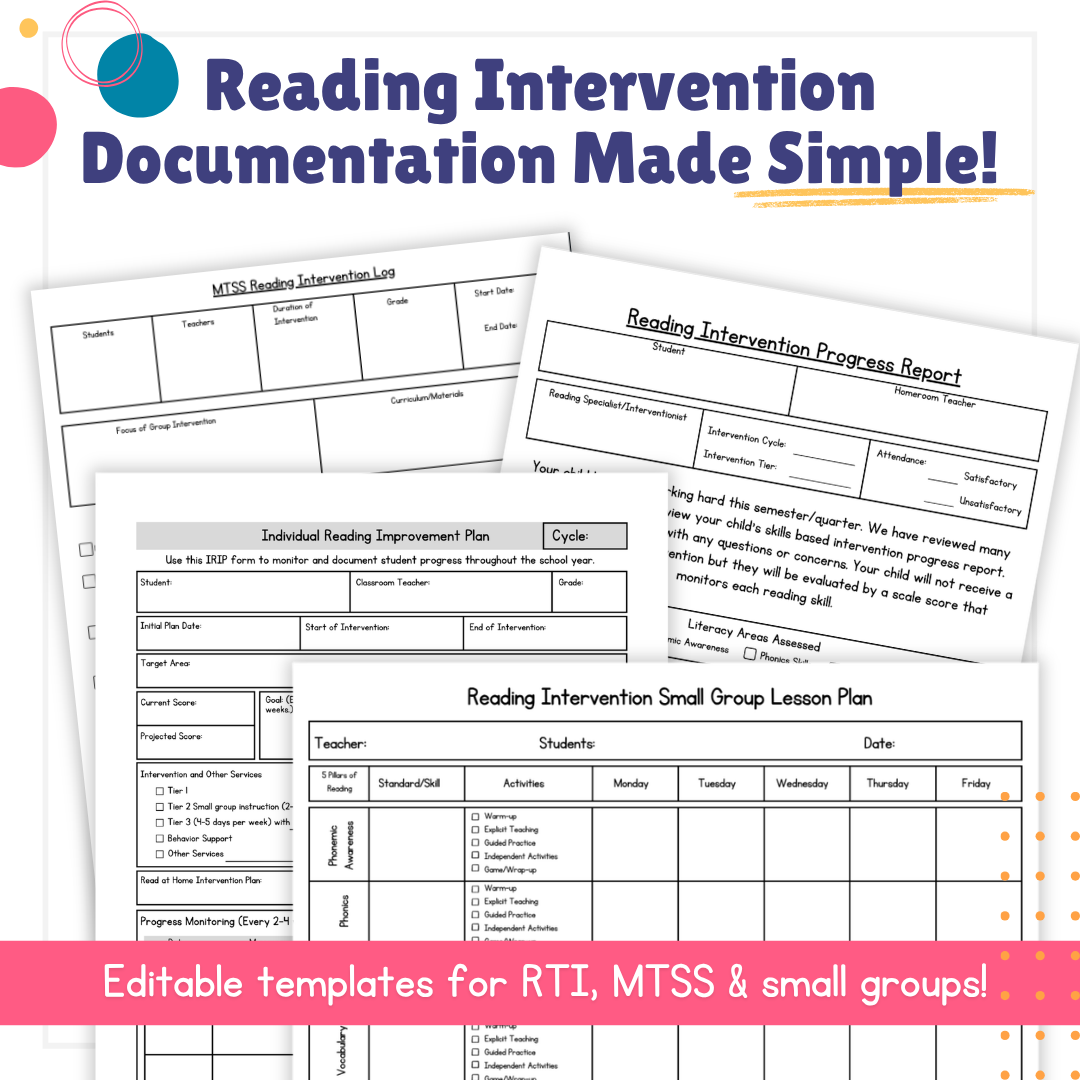
First 30 Days of Reading Intervention: What to Do & How to Get Started
We are a month into the new school year, and by now, you’re ready to start your reading interventions.
Beginning-of-the-Year testing is over.
Data meetings have taken place.
But now you’re left wondering: What am I supposed to do next?
The first 30 days of your reading interventions are sooo important because they set the tone for the remainder of the year. So, you want to make sure systems, routines, and expectations are in place to start the year off strong.
Here are the 5 strategies I share with the teachers that I work with to make sure their reading interventions not only start smoothly, but are effective all year long!
5 Essential Steps for the First 30 Days of Reading Intervention
1. Use Beginning-of-Year Data to Identify Reading Intervention Priorities
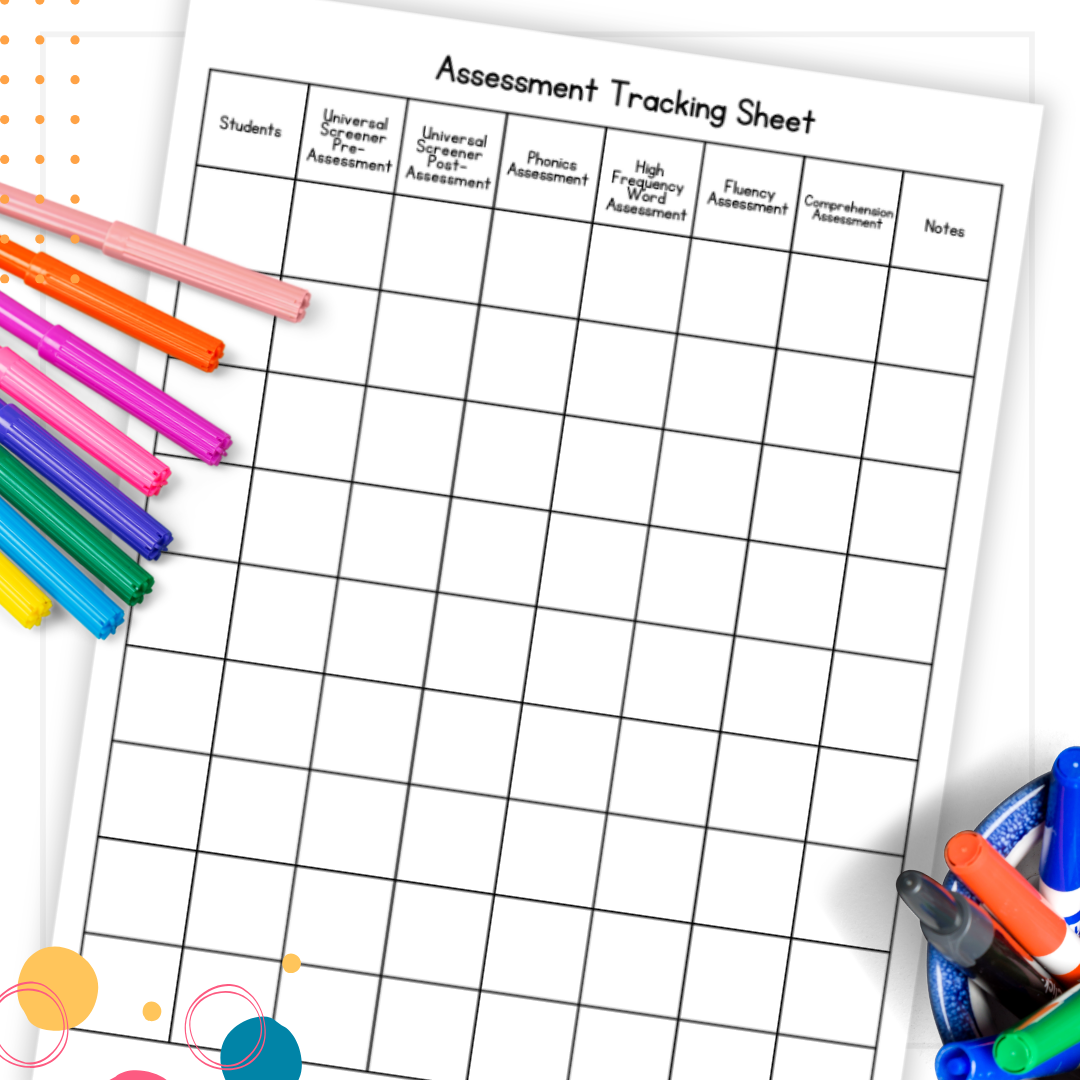
As you complete your beginning-of-year reading assessments and data analysis, look beyond individual student scores and start looking for trends across grades, classrooms, and skill areas.
These trends can help you determine where your reading intervention services are needed most.
Sometimes administration will identify the grade levels or classrooms that should be your priority. Other times, you may be assigned to specific grade levels or classrooms based on district needs. Either way, your beginning-of-year data should help you identify which foundational reading skills need immediate attention.
For example, if your kindergarten data shows that 50% of incoming students have not mastered letter recognition, kindergarten may become a priority for reading intervention. Rather than jumping straight into more advanced phonics skills, you can begin by strengthening the foundational skill students are missing: letter recognition and letter-sound knowledge.
One simple way to build this skill into your kindergarten reading intervention routine is with a three-part drill:
1. Visual – See It
Show students a letter and have them name it.
2. Auditory – Hear It
Say a letter sound and have students identify the letter that represents that sound.
3. Tactile – Write It
Say a letter sound and have students write the corresponding letter while saying the letter name.
You don't need fancy materials to make this engaging. Dry-erase boards and markers work perfectly. You can also add tactile practice with mini Etch A Sketch-style doodle boards, sand, rice, or shaving cream.
A quick disclaimer on those last three: use them only if you have the patience for them! 😂 If you do, explicitly teach students how to use the materials as literacy tools before adding them to your intervention routine.
The goal isn't to make intervention complicated. It's to use your beginning-of-year reading data to identify the skills students need most and then build those skills into consistent, targeted intervention routines.
2. Go Beyond Screeners: Use Diagnostic Reading Assessments to Find Skill Gaps
Oftentimes, at the beginning of the school year, the focus is on getting the big benchmark assessments and universal reading screeners completed. These assessments are important because they help schools identify students who may be at risk and give you a broad picture of literacy performance.
But there is often one problem: screening data doesn't tell you everything you need to know to plan reading intervention.
A student may be identified as below benchmark, but what exactly is causing the difficulty?
Is the student struggling with letter-sound knowledge? Phonemic awareness? Decoding? Word recognition? Oral reading fluency? Spelling patterns?
This is where you, as the reading specialist or reading interventionist, can dig deeper.
If your school or district doesn't already have a literacy diagnostic assessment process in place, I recommend using diagnostic assessments to identify the specific reading skills your students have and have not mastered.
Think of it this way:
Screening tells you WHO may need support.
Diagnostic assessment helps you determine WHAT they need.
For example, a universal screener might tell you that a first-grade student is performing below benchmark in reading. A diagnostic assessment can help you determine whether that student has difficulty with phonemic awareness, letter-sound correspondence, decoding CVC words, reading words with digraphs, or another foundational skill.
That information is much more useful when you're planning targeted reading intervention.
Diagnostic Reading Assessments I Recommend
Here are several assessments and tools that can help you dig deeper into your beginning-of-year reading data:
DIBELS – Depending on grade level, DIBELS measures skills such as phonemic awareness, alphabetic principle/letter-sound knowledge, decoding, word reading, and oral reading fluency. It can help you identify areas where students are not meeting expected benchmarks and need additional assessment or instruction.
CORE Phonics Survey – Helps identify specific gaps in students' phonics and word-reading skills, from basic letter-sound relationships through more advanced phonics patterns.
Words Their Way Spelling Inventory – Provides information about students' understanding of spelling patterns and can help identify the developmental level at which to begin instruction.
The goal isn't to give students assessment after assessment just to collect more data. The goal is to use assessment data to make better instructional decisions.
Once you know the specific skills a student has mastered—and the skills that are still missing—you can group students more strategically, choose an appropriate starting point, and plan targeted reading intervention instead of relying on a one-size-fits-all approach.
Your data should tell you more than which students are “red,” “yellow,” or “green.” It should help you answer the most important question: What does this student need me to teach next?
3. Get to Know Your Reading Intervention Students
I know what you might be thinking: “Why do I need to do getting-to-know-you activities? I only see my students for 15–30 minutes a day, and I'm not their classroom teacher.”
Because those few minutes can make a big difference.
Take the first few minutes of your first reading intervention sessions to get to know your students and begin building relationships. Try quick activities like:
Getting-to-Know-You Posters
Getting-to-Know-You Bingo
Would You Rather?
Quick student interest cards
I also recommend giving students a reading interest survey. Find out what types of books they enjoy, their favorite series or authors, topics they're interested in, and how they feel about reading and writing.
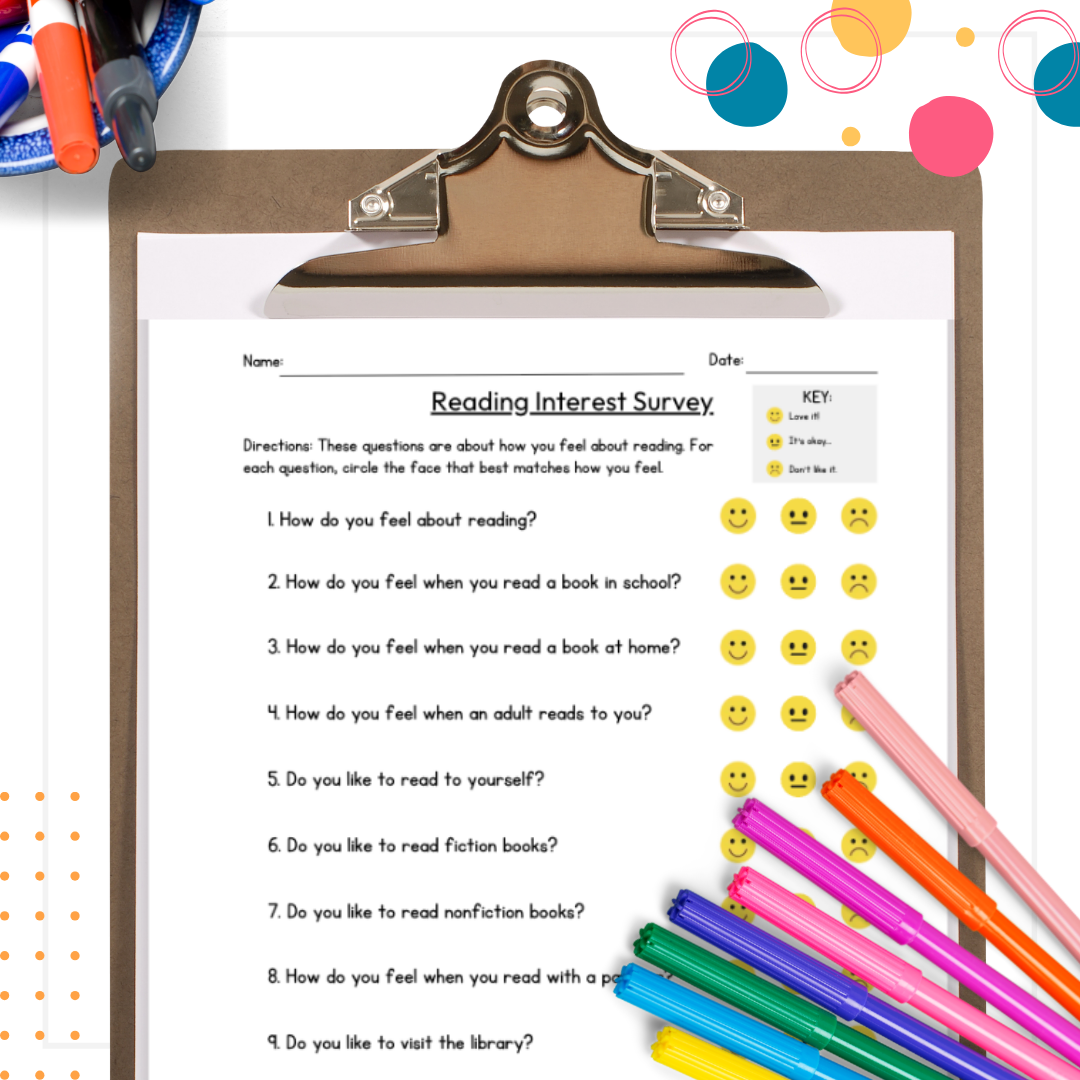
This information can help you plan more engaging reading intervention lessons. If you know a student loves animals, sports, mysteries, or a particular book series, look for ways to incorporate those interests into your texts and activities.
And let's be honest—reading intervention can be hard work. When you tap into students' interests, you're more likely to keep them engaged and reduce some of those behavior issues that can pop up when students are frustrated or disengaged.
So yes, put getting-to-know-you activities and a reading interest survey on your first intervention lesson plan. Don't assume you'll get to it later. Building those relationships is part of your job as a reading interventionist.
4. Teach Small Group Expectations
This is something interventionists often overlook. We feel like we have limited time, so we need to start reading intervention right away.
But just like you would establish routines and expectations when starting a small group in your classroom, you need to do the same with your reading intervention groups.
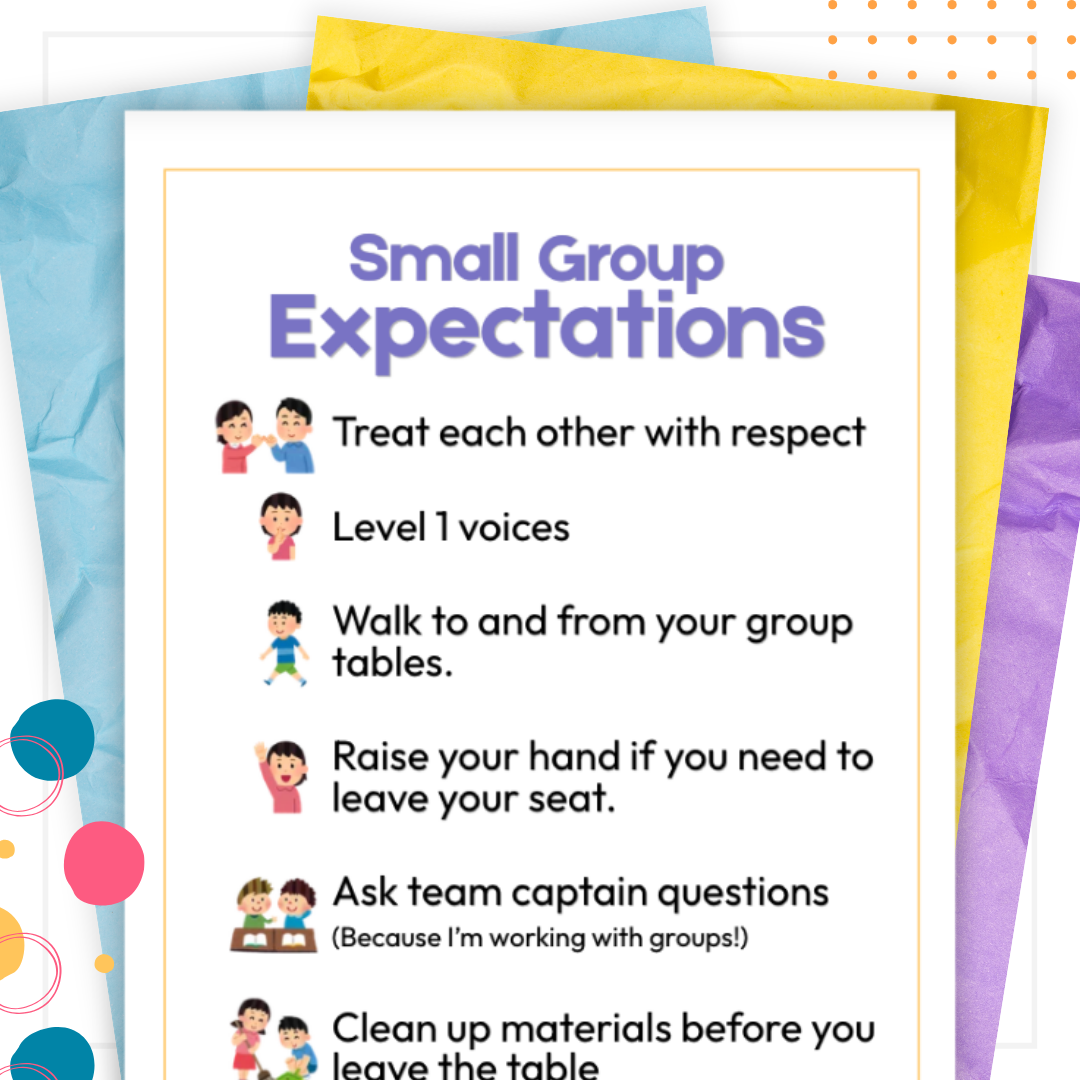
Take a few minutes during your first intervention sessions to teach students exactly what you expect during small group:
How to listen
How to participate
What to do when they need help
How to use materials
How to transition in and out of the group
Use a small group expectations poster or anchor chart to introduce the expectations and refer back to them as needed.
Those few minutes spent teaching expectations at the beginning can save you a LOT of instructional time later.
5. Schedule Progress Monitoring From the Start
I know you’re probably asking yourself, “Why are we talking about progress monitoring already?”
Because the earlier you get it on your schedule, the better!
You do not want to wait until the first progress monitoring cycle begins to figure out your schedule. t it on your calendar from the beginning of the school year so it's one less thing you have to worry about later.
Decide when, how often, and which students you will progress monitor, and add those dates to your calendar.
That way, when the first progress monitoring cycle rolls around, you aren't scrambling to figure out when you're going to get it done.
If you don't know where to start, try my Progress Monitoring Challenge!
Ready to Start the Year Strong?
The beginning of the school year can feel like a LOT for reading interventionists—assessments, data meetings, schedules, groups, progress monitoring, and then, of course, actually planning and teaching your interventions!
But you don't have to figure it all out as you go.
Taking a little time now to set up your systems, identify student needs, establish routines, and plan for intervention will save you time and stress all year long.
And if you're looking for the actual intervention materials to help you put all of this into practice, I've got you covered.
Take the Guesswork Out of Reading Intervention
My Year-Long Reading Intervention Bundle gives you ready-to-use, targeted reading intervention resources to help you plan effective instruction throughout the school year.
Instead of spending your evenings wondering, “What am I going to teach this group tomorrow?” you can spend that time doing literally anything else. 😉
Get the Year-Long Reading Intervention Bundle
Start the year organized. Know what your students need. And have the resources ready to teach them.