
What I Learned from Summer Tutoring: Reading Intervention Strategies That Made the Biggest Impact
Summer tutoring may be over, but the lessons I learned will shape the way I plan reading intervention all year long.
This summer, I worked with a small caseload of three students. Although each student had different needs, one experience reminded me of one of the most important principles of effective reading intervention: when time is limited, focus on the deficit skills first.
Whether you're tutoring, providing MTSS interventions, or leading small groups during the school year, these strategies can help you maximize every minute with your students.
Why Focusing on Deficit Skills Matters
One of my students was originally scheduled to tutor twice each week. At the last minute, his parent changed the schedule, and instead of eight tutoring sessions, we only had five.
I'll be honest—I was frustrated at first.
But then I reminded myself of the same advice I share with teachers all the time. Instead of trying to squeeze in every reading skill, I needed to prioritize the areas where he needed the most support.
When instructional time is limited, targeting deficit skills leads to the fastest growth.
That mindset completely changed how I planned our sessions.
Reading Assessments I Used to Plan Instruction
Before planning instruction, I completed several reading assessments to identify the student's strengths and needs.
Qualitative Reading Inventory (QRI)
I used the QRI to assess oral reading fluency, reading comprehension, and word reading. This provided a great overall snapshot of the student's reading performance.
Quick Phonics Screener
To be honest, this wasn't my favorite assessment. During the school year, I plan to use either the Core Phonics Survey or the PAST (Phonological Awareness Screening Test) instead because I find they provide more useful instructional information.
Words Their Way Spelling Inventory
If you're looking for one quick but comprehensive diagnostic assessment, this is the one I'd recommend. It provides detailed information about specific phonics patterns, is easy to administer, and gives you exactly what you need to form skill-based intervention groups.
Reading Interest Survey
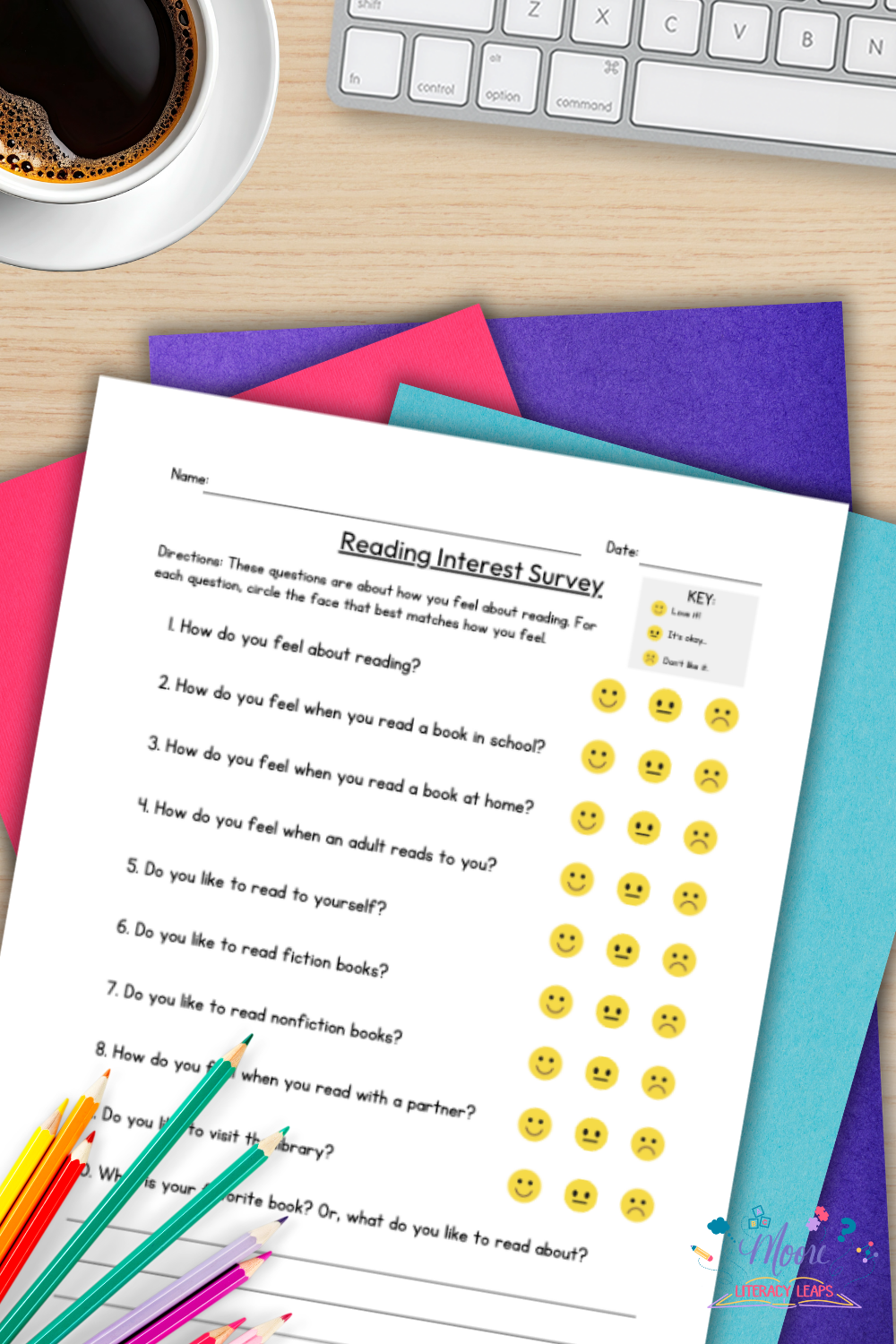
I also administered a Reading Interest Survey to learn more about the student's interests and help choose engaging reading materials.
The Reading Skills We Targeted
Based on the assessment data, these were the student's primary deficit areas.
Long Vowel Patterns
These are the long vowel patterns we reviewed: ai, ay, ee, ea, oa, i_e, igh
Other Vowel Patterns
Additional vowel patterns we reviewed included: er, or, ew
Reading Fluency
We also focused heavily on fluency.
This student tended to read far too quickly because he was accustomed to practicing for timed oral reading fluency assessments. Throughout tutoring, we practiced slowing down and reading with appropriate expression, intonation, and prosody so his reading sounded more like natural conversation.
Our 5-Session Reading Intervention Plan
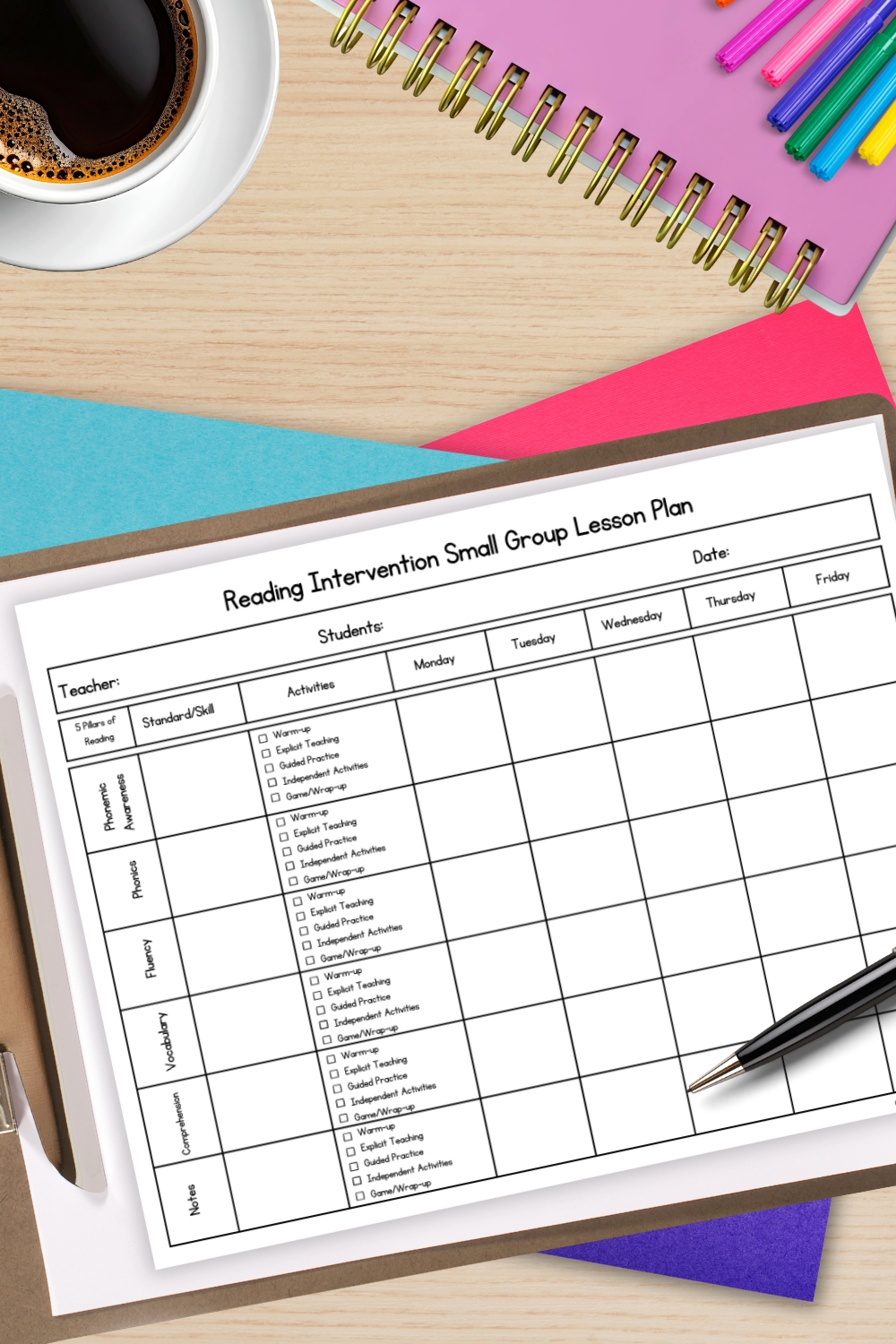
Each tutoring session followed the same predictable routine.
Phonemic Awareness Warm-Up
We reviewed the target vowel patterns using quick phonemic awareness activities.
Phoneme Segmentation and Blending
Students practiced segmenting and blending words that contained our focus vowel patterns.
Word Chaining
We used word chaining activities to strengthen phonics skills while helping students notice spelling patterns.
Fluency Practice
Students practiced reading:
Words
Sentences
Decodable passages
All materials focused on the target vowel patterns while emphasizing accuracy, expression, and prosody.
Literacy Games
Every tutoring session ended with a literacy game that reinforced the skills we practiced. Ending with a game kept students motivated while providing meaningful review.
Progress Monitoring
At the beginning of each session, I completed a quick dictation assessment.
The student wrote:
Five words
Three sentences
Each assessment included the target phonics pattern, allowing me to quickly monitor growth and adjust instruction.
The Unexpected Lesson: Vocabulary Instruction
I know you're probably wondering about vocabulary and comprehension.
To be honest, when I completed the initial assessments, vocabulary and comprehension didn't appear to be deficit areas. My plan was to spend most of our time targeting his phonics deficits and naturally address vocabulary and comprehension as we read the passages.
However, while working on the long vowel patterns ee and ea, many of the words we practiced were homophones, such as beat/beet, read/reed, and week/weak. As we discussed not only the vowel patterns but also the meanings of the words, I had an aha! moment—this student needed explicit vocabulary instruction, too.
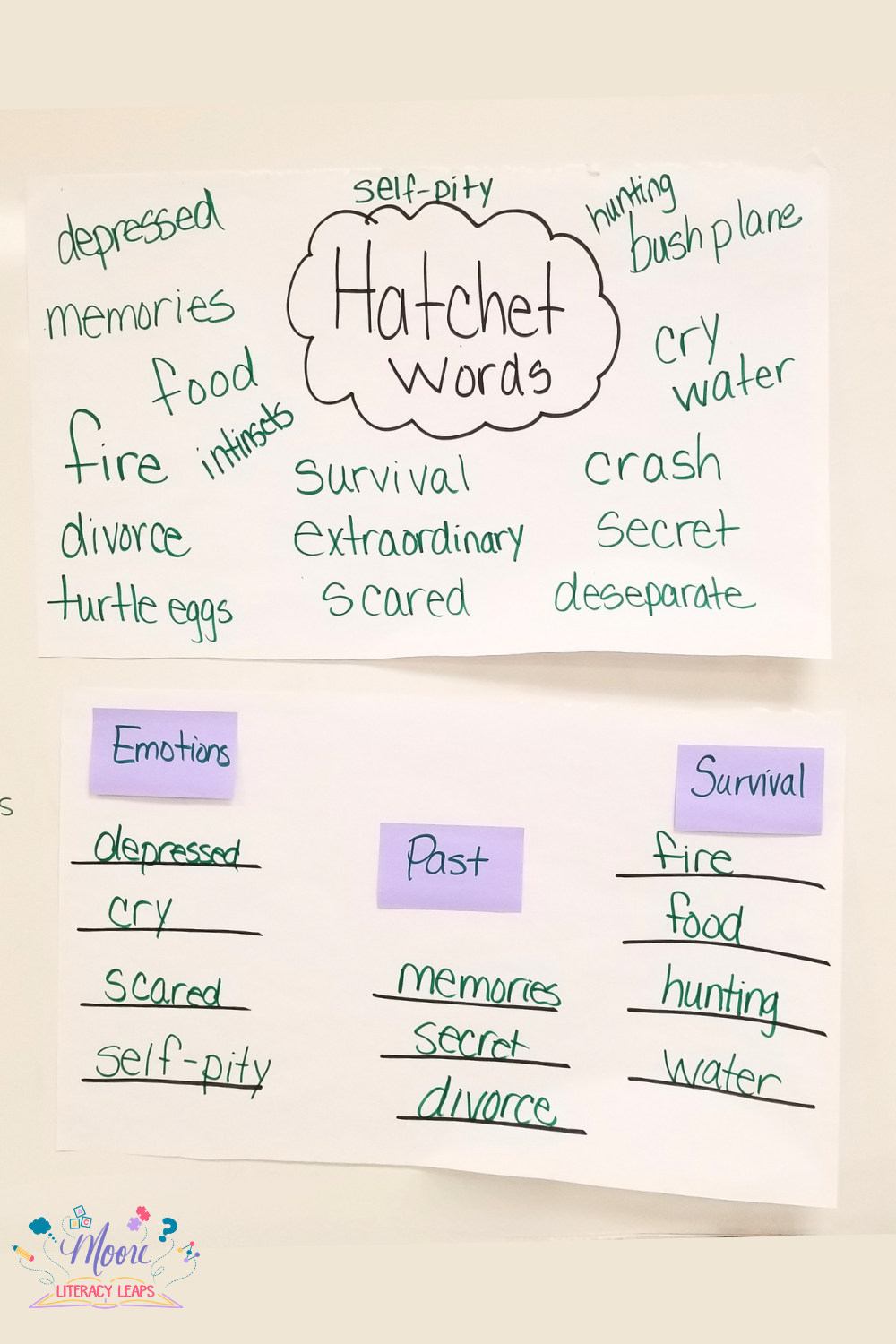
Because we were pressed for time, I didn't add a separate vocabulary lesson. Instead, I embedded vocabulary instruction into our reading intervention sessions. I used a read-aloud book and then taught a simple categorization activity. After reading the text, we brainstormed words related to the story, sorted the words into categories, and generated synonyms for each category. This naturally led to meaningful discussions about word meanings while reinforcing the vocabulary from the text.
My Biggest Takeaway from Summer Tutoring
If there's one lesson I'm taking into the school year, it's this:
When instructional time is limited, don't try to teach everything.
Instead, identify your students' greatest areas of need and focus your intervention there first. You'll make more meaningful progress by teaching fewer skills well than by trying to cover everything.
Whether you're planning reading intervention groups, MTSS instruction, or private tutoring sessions, targeted instruction paired with consistent progress monitoring can produce incredible growth—even in just a few sessions.
✨ Want to save hours planning your reading intervention groups?
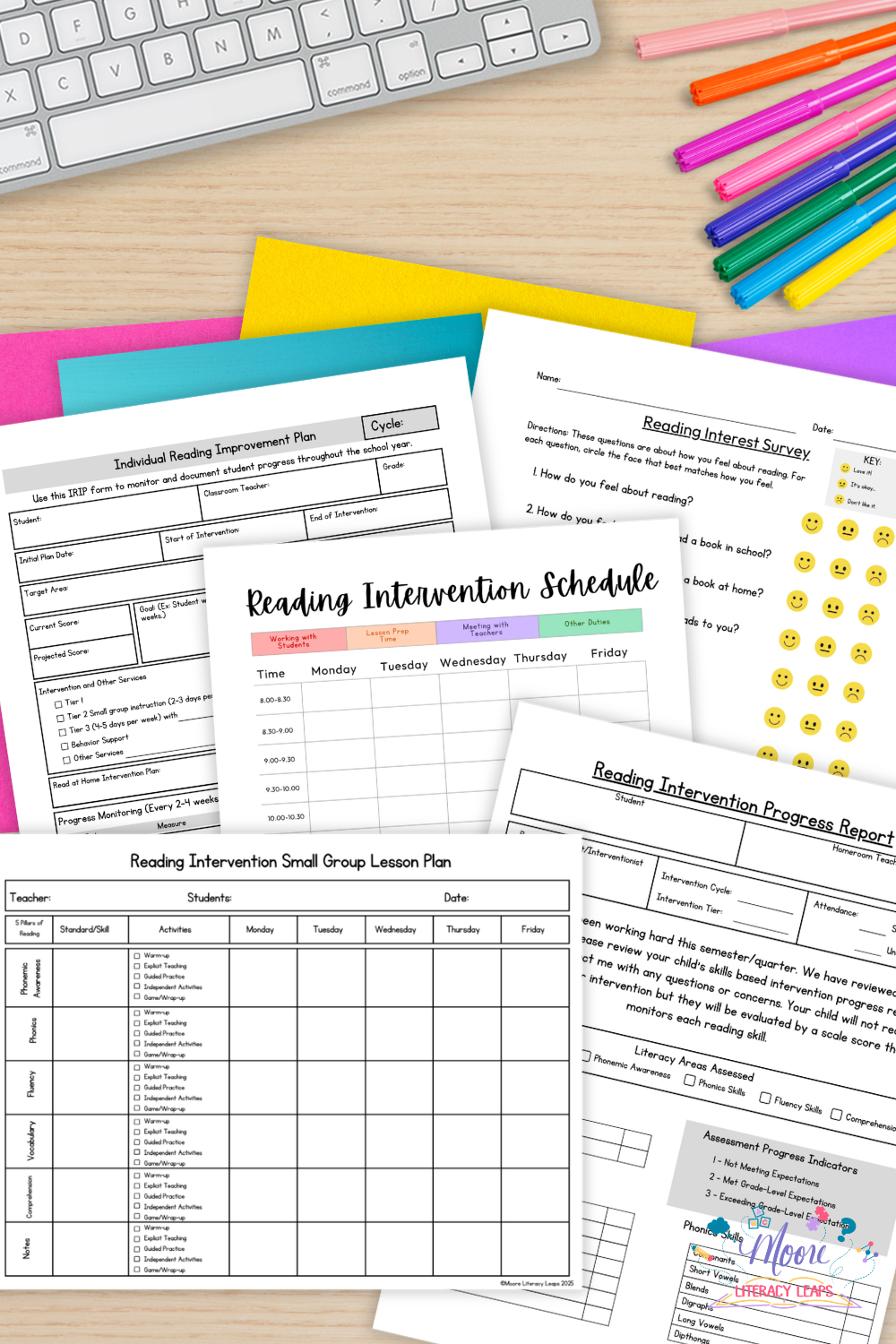
Everything I used to organize these tutoring sessions—from lesson planning and assessment tracking to progress monitoring and intervention documentation—is included in my Reading Intervention Bundle. Spend less time creating resources and more time helping your students make meaningful reading progress.
Sometimes, the biggest breakthroughs happen when we simplify our instruction and trust the data.
I'd love to hear about your summer tutoring experience! What worked well for your students? Share your biggest takeaway in the comments below.
