
How to Maximize Intervention Time in the Last Weeks of School
The end of the year is a lot—and trying to stay consistent with your reading intervention routines during this time? Even harder.
Parent-teacher conferences. Report cards. Field Trips. Test prep…
Your schedule is constantly shifting. Which usually means your intervention time gets cut short… or disappears altogether.
In this post, I’m sharing simple, high-impact end-of-year intervention strategies to maximize your intervention time so you can make the most of every minute you do have (without scrambling to reinvent your lessons every day).
High-Impact Intervention Strategies for Short, End-of-Year Sessions
#1 Take Reading Interventions Outside (End-of-Year Engagement Strategy)
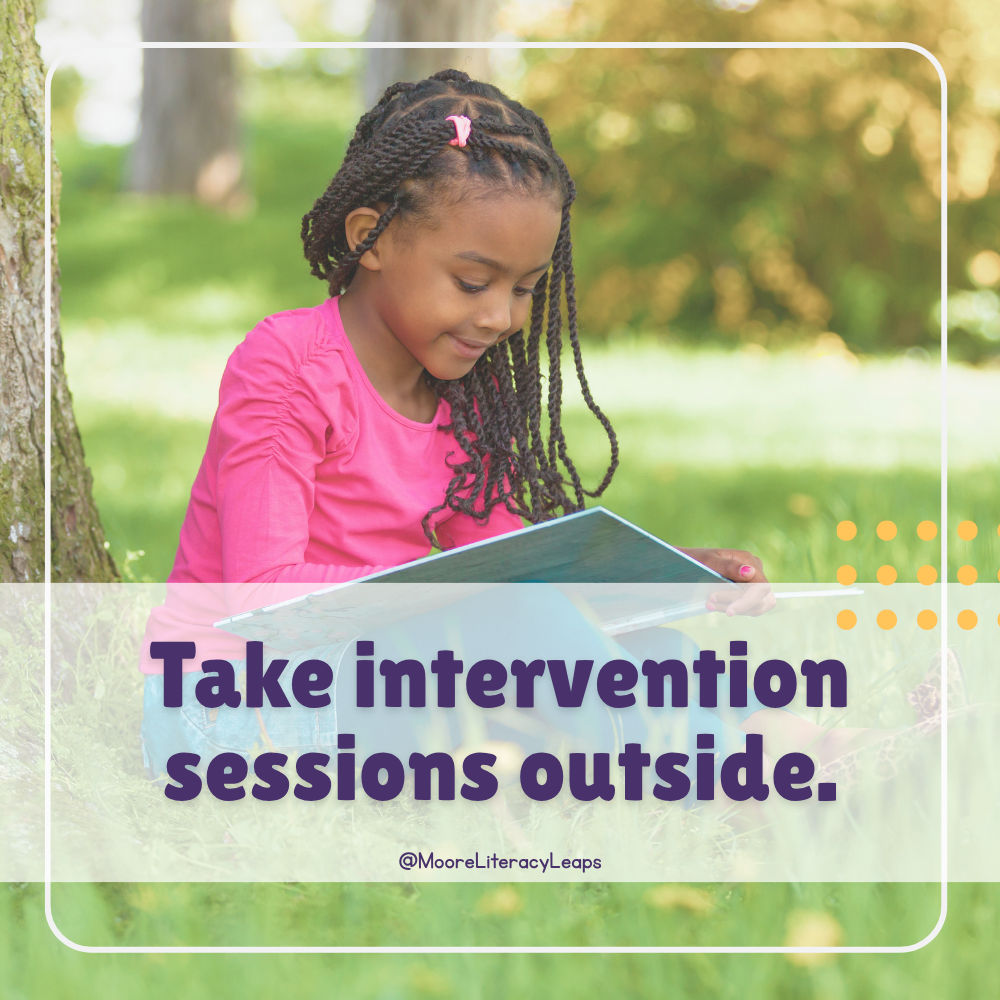
One of the easiest ways to maximize intervention time at the end of the year is also the simplest—take it outside.
Don’t overthink it. Your students have worked hard all year, and sometimes a change of scenery is exactly what they need, especially during the chaos of testing season and end-of-year disruptions.
Fresh air and movement can instantly reset focus, which makes this a powerful reading intervention strategy for short sessions.
#2 Push-In Support: Co-Teach or Run Small Groups During Classroom Intervention Time
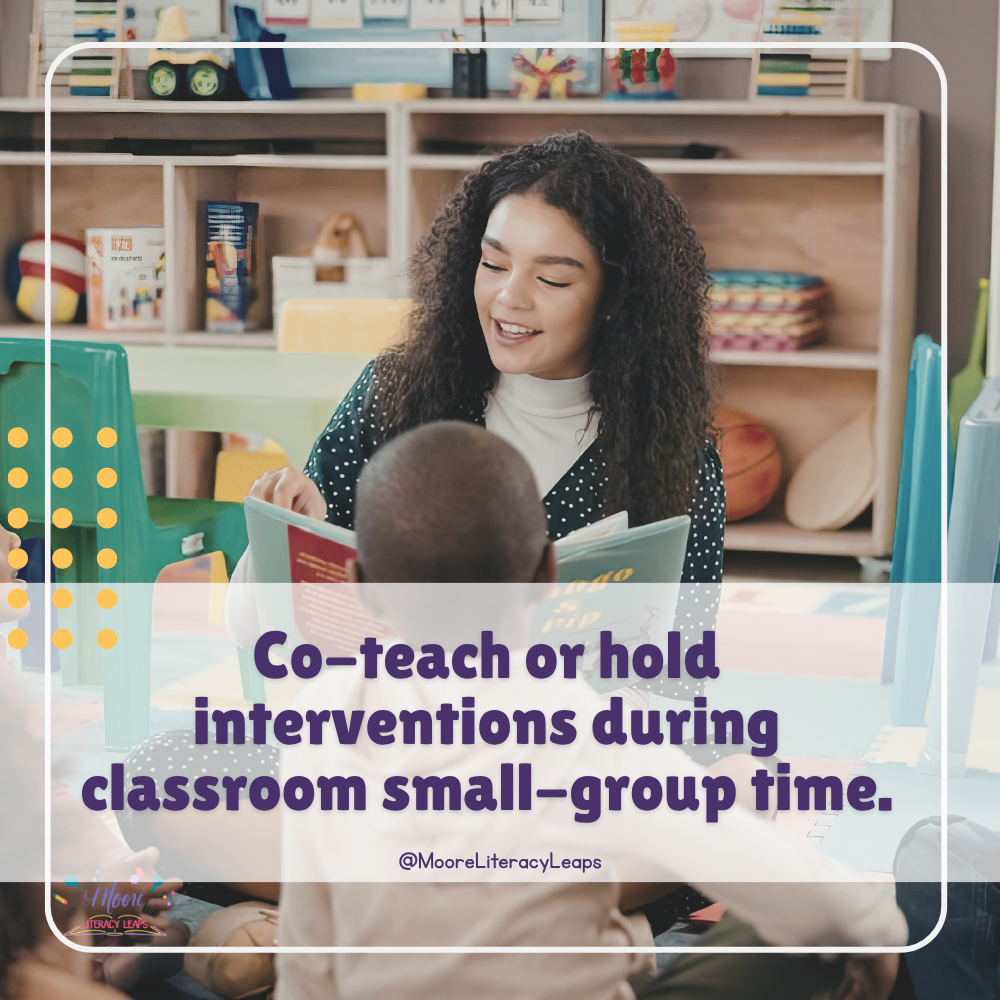
Another effective way to maximize intervention time during disrupted schedules is to bring the intervention to the students.
If classroom teachers are still running small groups, but have shifted schedules due to testing, offer to push in and support literacy instruction directly in the classroom.
This could look like:
Co-teaching a review-based literacy lesson
Running targeted small group reading intervention sessions
Supporting skill practice aligned to upcoming assessments
This approach helps you maintain consistency even when your own schedule is unpredictable.
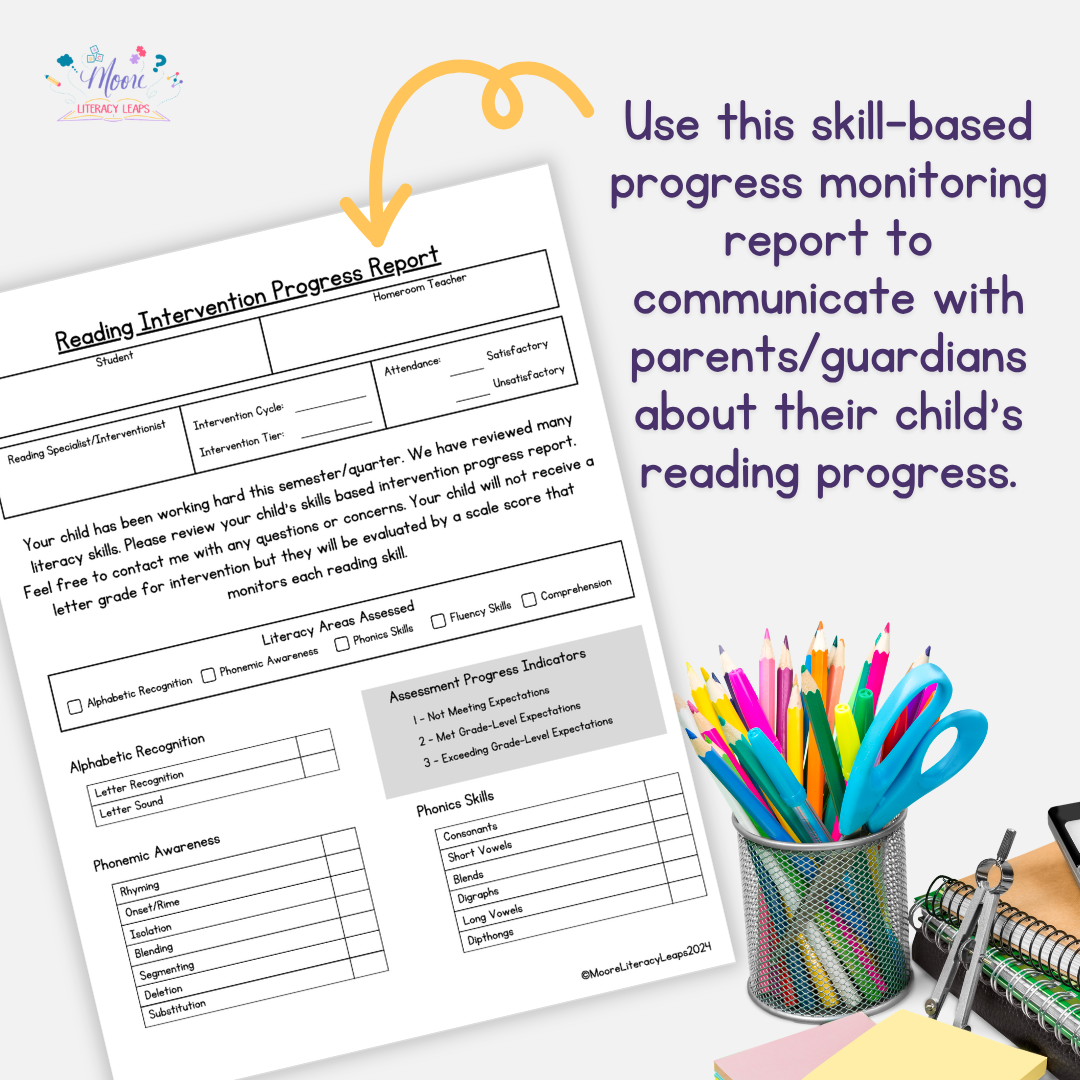
Quick teacher tip: This time of year can get hectic fast, which makes it even harder to stay on top of student progress during your reading intervention time. Having a simple, consistent way to track skills and jot quick notes can make a huge difference—especially when your schedule is all over the place.
#3 Literacy Games That Reinforce Reading Skills in Short Intervention Sessions
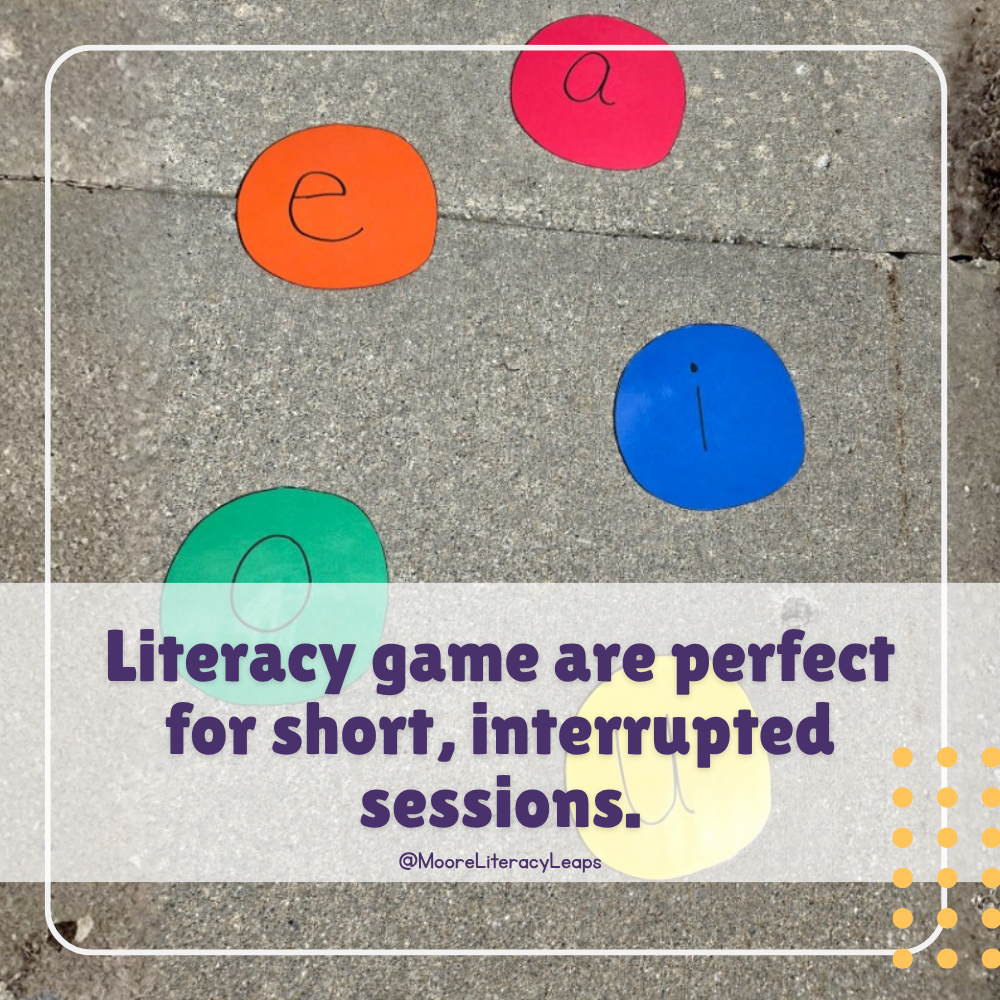
When time is limited, high-impact intervention routines that feel like games are your best friend because they’re perfect for short, disrupted reading intervention time.
Here are a few student favorites:
✔ Heart Word MemoryStudents match and practice high-frequency or “heart” words through memory-style play.
✔ Read the Room (Word or Sentence Hunt)Post words or sentences around the room. Students find them and must read them correctly before moving on.
✔ Stomp the Sound (Vowel Sound Drill Game)Write vowels on floor cards or circles. Students say a word, identify the vowel sound, and “stomp” the correct vowel.
These quick activities are ideal for maximizing intervention time in short sessions without sacrificing skill practice.
#4 Themed Reading + Arts & Crafts (End-of-Year Intervention Activities That Still Build Skills)
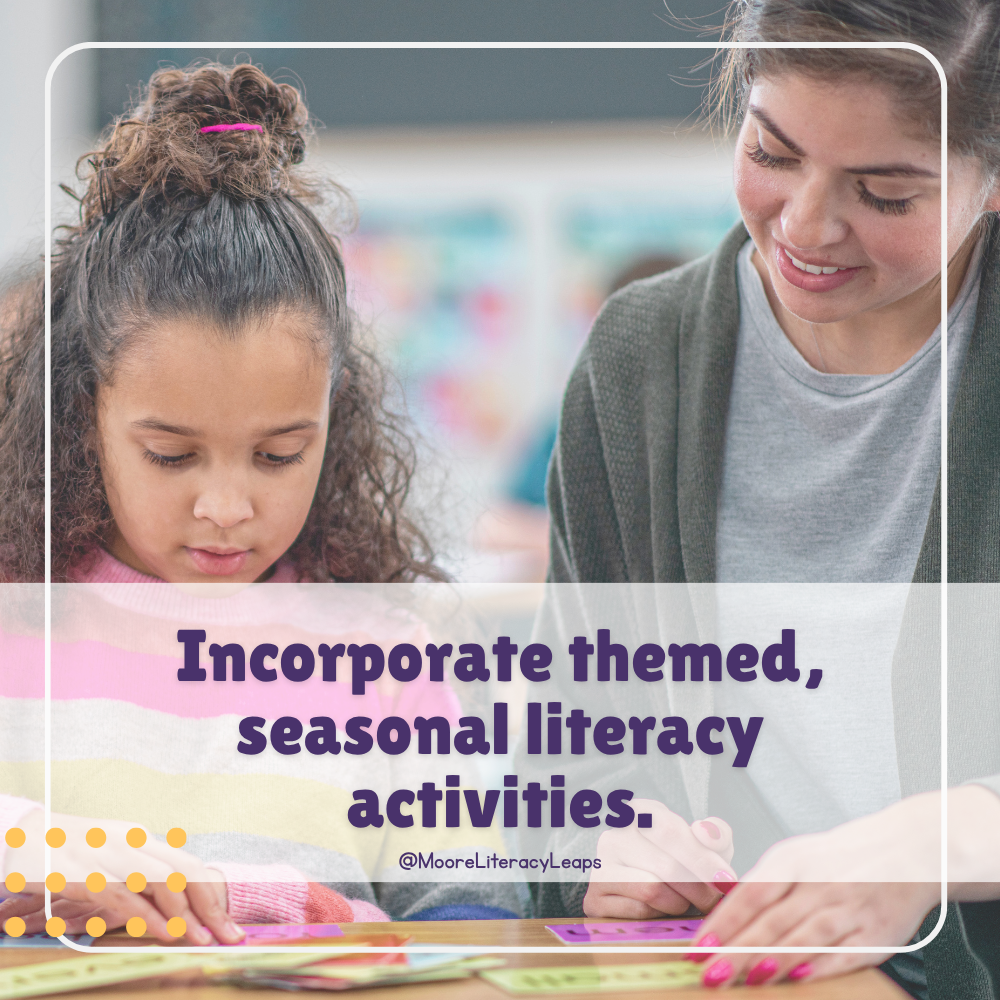
Themed lessons are another great way to keep your end-of-year reading intervention routines meaningful and engaging.
You can easily connect reading, writing, and creativity through seasonal themes like spring, Mother’s Day, and summer break.
Bonus tip: Pair these activities with a quick read-aloud to maximize your reading intervention time.
Here are a few simple, high-impact ideas:
Spring: “I See Spring” sensory writing activity
Mother’s Day: Write and decorate a card or design a flower pot for mom
Last Day of School: “What I Learned This Year” writing prompt
Summer Vacation: Create a summer reading log and build a “summer reading bin” (include fun treats and favorite books)
These activities work especially well when you’re trying to maintain reading intervention consistency during the last weeks of school while keeping engagement high.
Making the Most of Your End-of-Year Intervention Time
As the end of the year wraps up, your intervention time might feel shorter and more unpredictable—but your impact still matters.
The goal isn’t to do more. It’s to stay consistent, intentional, and focused on the progress your students are making—even in small moments.
And if staying organized during these last few weeks feels like a challenge, having a simple system in place can take a lot off your plate.
A simple progress monitoring tool can take a lot off your plate right now. This editable Reading Intervention Progress Report helps you quickly track skills, document growth, and keep everyone in the loop—without extra stress.
If you want more time-saving reading intervention strategies, simple routines, and classroom ideas like this:
